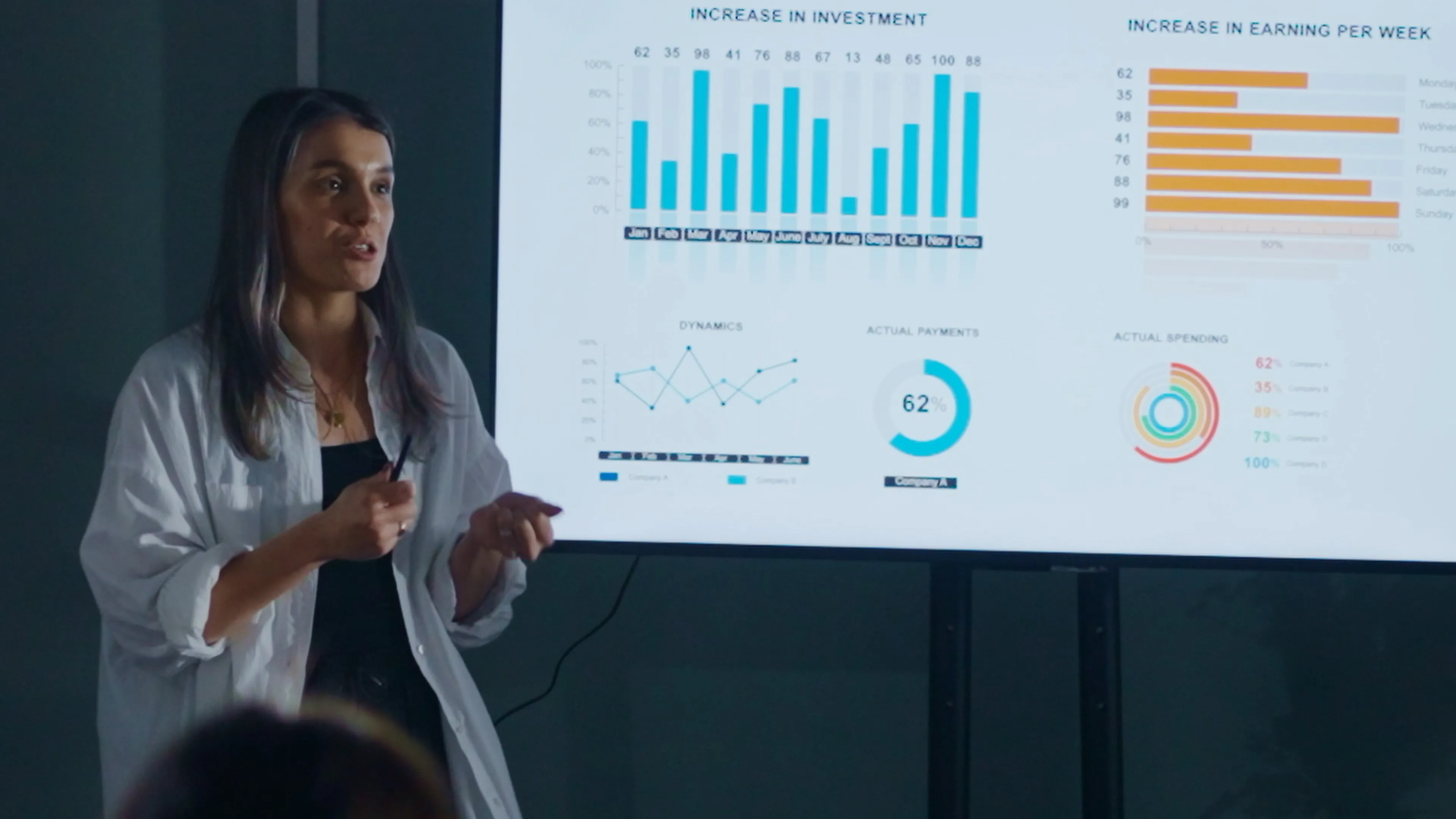
Ask a practice how a care program is going and you will usually get an anecdote. A patient who was caught in time. A month that felt busy. A sense that it is probably working.
Ask what its completion rate is, and the room goes quiet. Not because nobody cares, but because the number was never being kept.
The number that decides the program's future
Completion rate answers a narrow question: of the patients who qualified for this program, how many actually got the thing.
That question is narrow and unforgiving, which is why it carries weight. Enrollment counts how many people you started. Volume counts how much you did. Completion counts how often the loop closed, which is the only one of the three that corresponds to a patient being better off.
It is also the number that comes up when somebody is deciding what to cut. A program that cannot produce it is defended with conviction rather than evidence, and conviction loses that argument reliably.
Why it is so hard to produce afterwards
The usual approach is to reconstruct it at reporting time. Pull the qualifying cohort, pull what was completed, reconcile the two, explain the gaps.
This is slow, and it is worse than slow: it is unreliable. The records were kept to run a practice, not to evidence a program. Reconstructing intent from them after the fact means judgment calls, and judgment calls made by the party with an interest in the answer are exactly what a payer or a board will discount.
A number assembled at the end has to be argued for. A number recorded as the work happened does not.
Recorded, not reconstructed
When the engine identifies a qualifying patient, runs the outreach and confirms the result, each of those is written against the record at the time it occurs.
The completion rate is then a read, not a project. It is available on a Tuesday because somebody asked, rather than three weeks later because somebody scheduled it.
That changes what the number is for. A figure you can only produce quarterly is a reporting obligation. A figure you can see continuously is an operational instrument: you can tell in week three that a cohort is not converting, and do something while it still matters.
Proof is what lets good programs survive
The argument for measuring completion is not about accountability. Most practices running these programs are already doing the work.
It is that a program which cannot prove what it did is fragile, no matter how well it is going. It survives on the goodwill of whoever is reviewing the budget, and goodwill is not a strategy.
Proof is what turns a program that works into a program that continues. That is the whole reason validate is a step and not an afterthought.